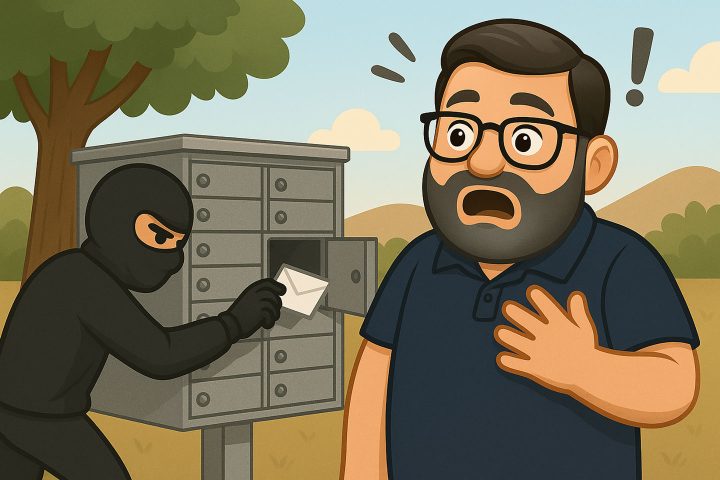
Not long ago, several of the big metal mailboxes around the Tri-Community, the ones with rows of little locked compartments at our intersections, were pried open like sardine cans. Letters, checks, and even packages were stolen. For weeks, neighbors had to drive down to the post office just to get their mail. It was a hassle, sure, but more than that, it was a reminder that crooks aren’t just after your Amazon packages. They’re after your personal information.
And once thieves have your info, they can do some pretty unbelievable things with it. Years ago, I got a call from my bank asking if I had just bought a set of tires in Miami. I was sitting right here in Phelan sipping coffee, so the answer was a hard no. But to the bank’s computers, it looked like me. That’s identity theft. When someone uses your details like your Social Security number, bank account, credit card, or even your medical insurance to pretend they’re you.
How Crooks Get Your Info
The scary part? They don’t need to know you personally. They just need your details, and there seems to be an increasing number of ways to get them:
- Mail theft: Like what we just experienced here in the Tri-Community. A stolen bank statement, check, or even a piece of junk mail with your name and address can be enough to start a scam. See my July 2025 article “That Email’s Not From Who You Think It Is: Sorting the Real From the Rotten”
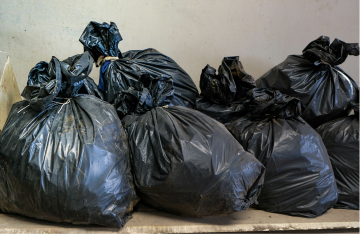
- Trash diving: Old bills or insurance paperwork tossed in the garbage are a gold mine if they’re not shredded.
- Phishing: Those too-good-to-be-true emails and texts with links you shouldn’t click. See my article from April 2025 “Talkin’ Toll Texts, Scams & Smishing”
- Data breaches: Big companies get hacked all the time, and crooks walk away with millions of names, Social Security numbers, and passwords.
If you’ve ever received one of those letters that starts, “We take your privacy seriously. Unfortunately…” you know the drill. To soften the blow, the company usually offers a free year of “identity protection.”
Are Those Services Worth It?
That free year? Go ahead and sign up. No harm in letting someone else keep an eye out.
But the reality is, those services don’t prevent identity theft, they just alert you if your information is being used. Paying for them long-term can give peace of mind, but the best tool to use is a free credit freeze, which you can set up directly with the credit bureaus. It stops new accounts from being opened in your name.
Checking If You’ve Been Breached
If you’re curious whether your info is already out there, there’s a free website called Have I Been Pwned (haveibeenpwned.com). The name is a little geeky, but the website is simple, you just have to type in your email address, and it will tell you if it has shown up in a data breach.
If it does, don’t panic, there are steps you can take:
- Change your password for that account immediately.
- Don’t reuse passwords. If you used the same one on multiple sites (and who hasn’t?), change them all.
- Turn on two-factor authentication. That’s the code they text or send through an app. It makes stolen passwords a lot less useful.
- Keep an eye out. Crooks will often try that same password on bank, shopping, or email accounts to see what else they can crack.
Everyday Habits That Help
- Identity theft prevention isn’t just about data breaches. It’s also about daily habits that make you a tougher target:
- Guard your mailbox. Pick up mail quickly, and put a hold on delivery if you’re out of town. Think about a PO box if theft is a concern.
- Shred before you toss. Old bank statements, medical bills, and even credit card offers should go through a shredder, not the trash.
- Check your credit. You can pull free reports from all three bureaus once a year at annualcreditreport.com. Look for accounts you didn’t open.
- Stay suspicious. The IRS, banks, and utilities will never demand payment by gift card or threaten you over text.
Wrapping It Up
Out here, we know to keep an eye on our property, whether it’s locking the gate at night or watching for coyotes near the chicken coop. Identity theft works the same way. A few simple precautions make it a lot harder for crooks to mess with your good name.
So next time you grab your mail, think of it as more than just bills and letters. You’re collecting little pieces of your identity. And that’s worth protecting.