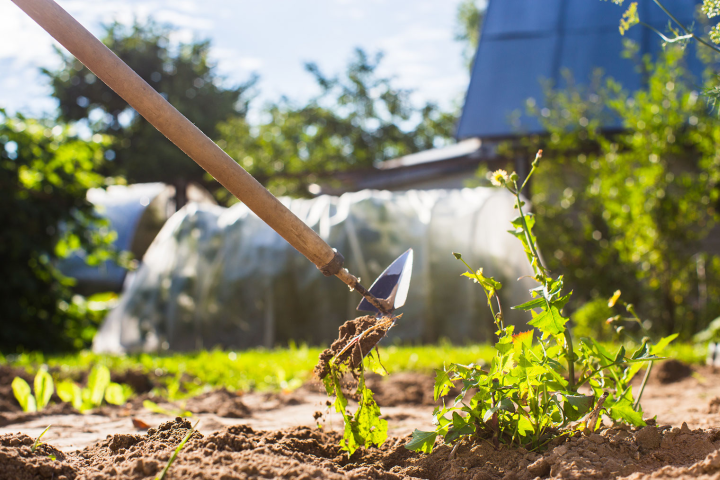
For plants to really thrive, they need more than sunlight and water. Just like us, they do best when they’re fed a balanced diet. The good news is that you don’t need to rely on chemicals to keep your garden healthy. There are plenty of organic, low-cost options that work right here in our High Desert soil.
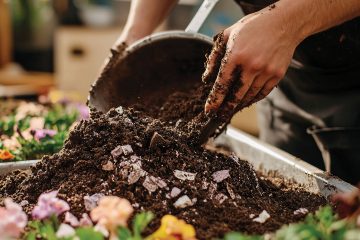
Compost is my first go-to. Kitchen scraps and yard clippings, when broken down, turn into rich soil food. It feeds not just the plants but also the microbes that make the soil come alive.
Aged manure is another classic choice. Cow, horse, chicken or even goat manure adds a mix of nitrogen, phosphorus, potassium and organic matter. The key word here is “aged.” Fresh manure can be too strong, but well-aged manure is like giving your plants a hearty meal.
Coffee grounds are simple and effective. They add nitrogen, improve soil texture and invite earthworms, which are the garden’s best little helpers.
Banana peels are a favorite trick. They’re packed with potassium and phosphorus, which help with blooms and fruit. I like to chop them up and bury them near the base of the plants.
Wood ash, if you have a fireplace or fire pit, can add potassium and calcium while helping to raise soil pH. Just use a light hand, because too much can throw the balance off.
Crushed eggshells are another easy addition. They provide calcium, which helps prevent blossom end rot in tomatoes and peppers.
As for when to fertilize, spring is the time to wake everything up with nutrients as new growth starts. During flowering and fruiting, plants appreciate extra potassium and phosphorus. Midseason, I like to top-dress with compost, manure tea or even a handful of coffee grounds to keep things steady.
All of these natural fertilizers supply the big essentials like nitrogen for leafy growth, phosphorus for strong roots, potassium for strength, and calcium for structure, along with the smaller nutrients that plants need to stay healthy.
And of course, gardening is always better when we do it together.
The Community Teaching Garden will host its next class at 10 a.m. Saturday, Sept. 13. We’ll be talking about starting winter seedlings and preparing the beds for cooler months.
The garden is located at 4176 Warbler Road in Phelan, right behind the park. It’s a special place where we learn, grow and share — nutrition taught from the ground up in both the vegetable beds and the orchard.