Where the Mojave Desert meets the Mountains. As a resident of Wrightwood at the time and a biologist beginning my career, I searched for any opportunity to gain valuable experience at nature preserves and related organizations. That is when I learned about Transition Habitat Conservancy and first volunteered at a tortoise habitat restoration event in the foothills of Pinon Hills. I could not believe that this hidden hiking gem was in our backyard. Puma Canyon Ecological Reserve is just one of the Preserves owned and managed by Transition Habitat Conservancy, or THC for short. It encompasses over 350 acres of desert foothills, as the Joshua trees blend and marry with the Pinon pine trees. It contains over 8 miles of carefully maintained trail system for hikers and equestrians.
My name is Sarah Berryman, and I am now the Natural Resources Biologist for THC. I am privileged to introduce you to our organization. I will be contributing to Tri-Community NewsPlus to provide interesting educational articles about our local flora and fauna where the Mojave meets the mountains. One of Transition Habitat Conservancy’s goals is to provide those who live in the Tri-Community with resources to learn about the nature around them, to host educational events, and to be a place where the community can come and hike while enjoying this beautiful Reserve.
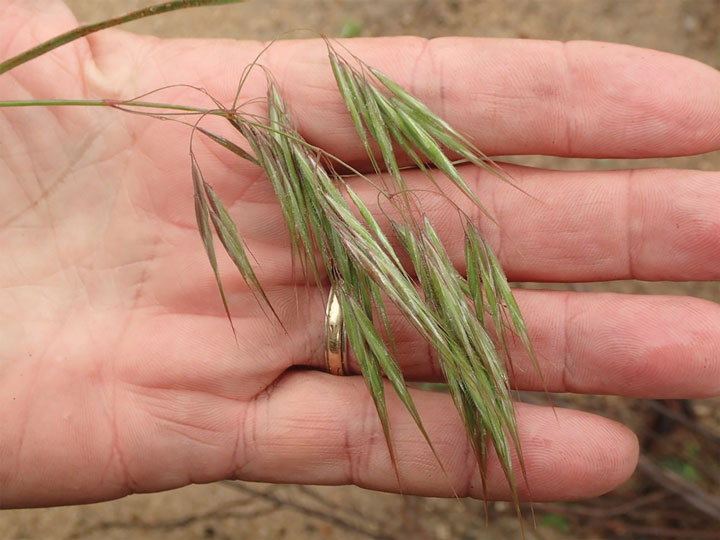
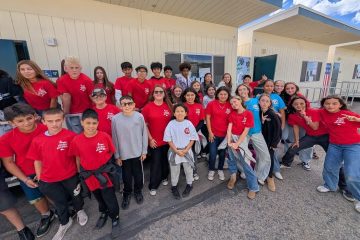
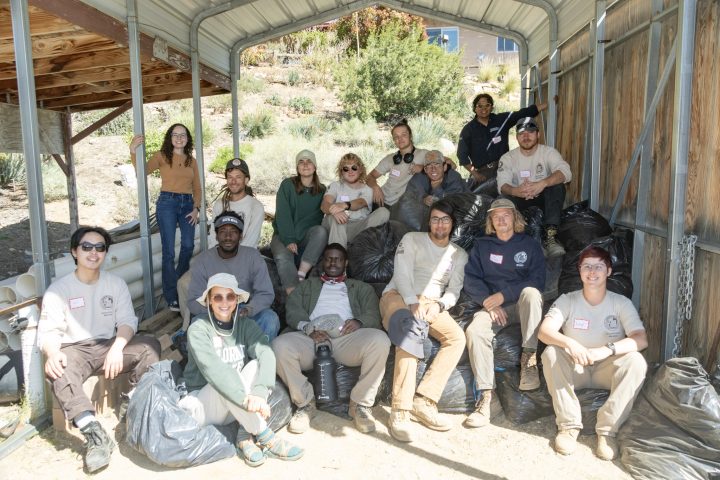
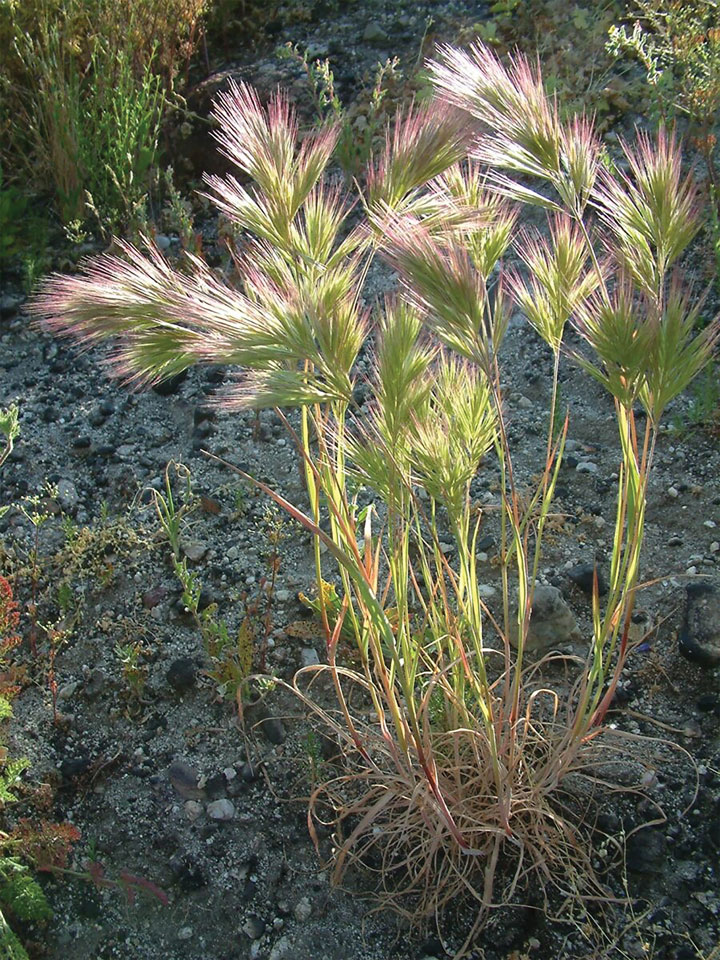
Recently, THC had the pleasure of hosting the American Conservation Experience (ACE). The ACE is a non-profit organization dedicated to providing rewarding environmental service opportunities for young adults and emerging professionals of all backgrounds to explore and improve public lands while gaining practical professional experience. During their visit, they helped our organization remove over 4 acres and 113 contractor bags full of cheatgrass and red brome. These widespread invasive grasses can contribute to fire risk and push out native plants by competing for water and space.
Our recently awarded $230,000 National Fish and Wildlife Foundation grant award made part of this work possible. Our Conservancy was selected from a nationwide applicant pool in order to restore and improve monarch butterfly habitat at our Puma Canyon Ecological Reserve. The Puma Canyon Reserve is home to over 100 recorded milkweed plants. It is an important breeding and feeding area for the monarch butterfly on its way to the overwintering sites in the coastal California regions. Volunteers from THC and the California Botanic Gardens will plant more milkweed and nectar plants to replace the removed weeds and work on additional sites throughout the Reserve. California Botanic Gardens in Claremont, Ca, is the largest botanic garden dedicated to California native plants, promoting botany, conservation, and horticulture to inspire, inform, and educate the public and scientific community about California’s native flora. (www.calbg.org)
If you’re interested in participating or learning more about projects like these, please visit www.transitionhabitat.org and subscribe to receive updates on our latest events. Also, save the date for these upcoming THC events:
- Pollinator Talk on May 20th – available via Zoom or in-person. This event will teach you about native bees, butterflies, and moths and how you can help them at home.
- Monarch Butterfly Gardening on June 1st – come to our office and Reserve to learn how to maintain butterfly gardens by helping us garden!
- Monarch Butterfly Migration Mapping and Waystation Open House on June 8th – Learn about the monarch butterfly and other species, and sign up for our mapping project to receive your own free milkweed plants to start your own garden at home.
Transition Habitat Conservancy was formed in 2005 when three women in Pinon Hills noticed the beauty around them as they rode their horses through the hills. Fast-forward to nearly 19 years later, and the Conservancy has worked towards saving 10,444 acres of land, preserving 89 endangered or special status species, maintaining 260,000 acres for conservation value, and coordinating over 15,000 volunteer hours since 2021.