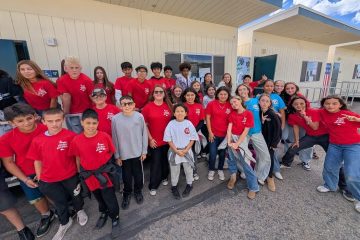
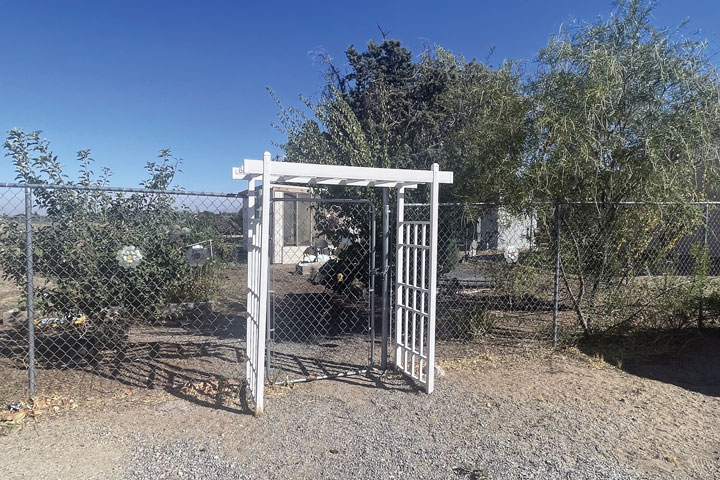
April’s class at the Community Teaching Garden focused on transplanting vegetables into garden beds. If you missed it, don’t worry—May’s class will dig into the essentials of composting and vermicomposting.
Prepping Your Garden Bed
Before planting, it’s important to prepare your garden bed properly. If you’re reusing an existing bed, consider solarizing it to eliminate weeds, weed seeds, and soil-borne pathogens. Start by removing any existing plants or weeds and deep watering the soil. Then, cover the bed with plastic and leave it in place for four weeks. Once complete, mix in about 30% compost or manure and deep water the bed for one week before planting.
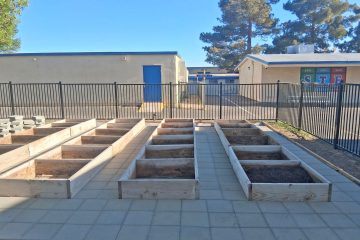
For new garden beds, aim for 6 to 8 inches of root space to accommodate most vegetables. A good homemade soil mix can be made using 50% clean fill dirt, 30% compost or manure, and 15% loose organic material such as mulch, coco coir, perlite, or vermiculite. After planting, apply a 5% top layer of compost or mulch to help retain moisture and suppress weeds.
Transplanting Tips
To help your transplants thrive, deep water the bed for about a week before planting to create evenly moist soil and reduce the risk of transplant shock.
When digging planting holes, make them about twice as wide as the container and only as deep as the soil level in the pot. Water the hole and the plant in its container thoroughly before planting. After loosening the roots at the bottom of the root ball, place the plant in the hole and backfill with soil.
Water the area around the roots several times a day for the first week to help establish the plant. Once settled, use the finger test before watering—if the soil feels dry an inch below the surface, it’s time to water. Early morning and late afternoon are ideal times for watering.
Don’t forget to protect your young vegetable plants with a cage or cover to keep critters from making a meal of them.
Composting & Vermicomposting
Composting is a simple way to recycle green and brown yard and kitchen scraps into nutrient-rich soil amendments. Worm castings are another excellent source of nutrients but can be pricey if purchased. You can save money by learning to make your own worm castings using live worms—a process covered in the upcoming class.
Join the Next Gardening Class
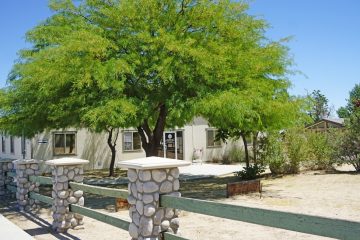
The next Community Teaching Garden class will take place at 10 a.m. on Saturday, June 14th, behind the Phelan Piñon Hills Community Services District (PPHCSD) office building at the greenhouse.
The Community Teaching Garden is a collaboration between the Snowline Community Cabinet and PPHCSD Parks and Recreation, designed to promote healthy nutrition and sustainable gardening practices in the High Desert.
Happy Gardening!