Tri-Community gardeners grow in a range of conditions, from the dry, often alkaline soils of Phelan and Pinon Hills to the cooler mountain climate of Wrightwood. But one basic rule applies in every garden: plants need different kinds of support at different stages of growth.
For beginning gardeners, fertilizer can be confusing. Bags and bottles often list three numbers, known as N-P-K. Those letters stand for nitrogen, phosphorus and potassium. In simple terms, nitrogen supports leafy growth, phosphorus supports roots and blooms, and potassium helps overall plant strength.
Natural fertilizers such as compost, eggshells, banana peels, aged manure, wood ash, Epsom salt and used coffee grounds can help when used lightly and at the right time. But more is not always better. Too much fertilizer, even natural fertilizer, can damage roots, weaken plants or create problems in the soil.
A good Gardening 101 rule is to start with compost, feed lightly and pay attention to how the plant is growing.
For Germination and Seedling Growth
Seeds begin life by absorbing water, sending out roots and producing their first leaves. At this stage, seedlings are delicate and do not need heavy feeding.
Finished compost or very weak compost tea can give young plants gentle support. Avoid strong fertilizers, fresh manure or heavy applications of amendments. Too much fertilizer can burn tender roots or cause weak, uneven growth.
For beginners, the safest approach is simple: keep seed-starting soil lightly moist, provide enough light and wait until seedlings are stronger before feeding more.
For Vegetative Growth
During vegetative growth, plants build leaves, stems and roots. This is the stage when many leafy vegetables, herbs and young garden plants need steady support.
Nitrogen helps plants grow green leaves. Phosphorus helps with root development, while potassium supports strength and overall plant health. Magnesium can also help plants maintain healthy green leaves, but it should be added only when needed.
Compost, aged manure, banana peel compost, small amounts of Epsom salt or composted coffee grounds can be mixed lightly into the soil. Use these amendments in moderation, especially in containers or raised beds, where nutrients and salts can build up more quickly.
In Phelan and Pinon Hills, gardeners should be careful with amendments that raise soil pH, because many desert soils are already alkaline. In Wrightwood, cooler temperatures may slow plant growth, so gardeners should avoid pushing plants with too much fertilizer early in the season.
For Flowering, Fruiting and Seed Production
Once plants begin producing flowers, fruit or seeds, their needs change. At this stage, gardeners should reduce heavy nitrogen feeding. Too much nitrogen can encourage leafy growth at the expense of flowers or fruit.
Flowering and fruiting plants benefit from phosphorus and potassium, which support blooms, fruit quality and overall plant strength.
Compost, banana peels that have been composted or dried and ground, aged manure, composted coffee grounds and small amounts of wood ash may help. Use wood ash sparingly and only if soil is not already alkaline. This is especially important in many High Desert gardens.
For fruiting plants such as tomatoes, peppers and squash, steady watering is just as important as feeding. Fertilizer cannot make up for irregular watering, poor soil or lack of sunlight.
How to Use Common Natural Fertilizers
The following household and garden materials can support plant growth, but they should be used carefully and in moderation. Natural does not always mean harmless. Too much of any amendment can damage plants or create problems in the soil.
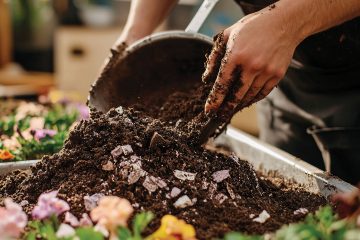
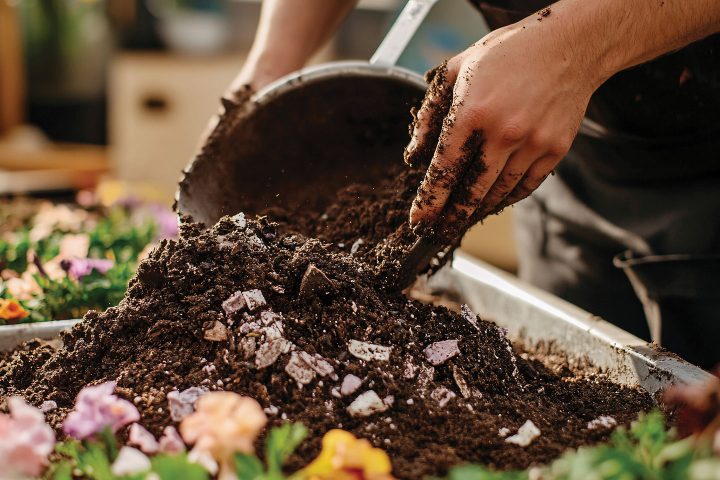
Compost: Compost is decomposed organic matter made from materials such as leaves, grass clippings, vegetable scraps and other plant waste. It is one of the best starting points for beginning gardeners because it improves soil structure, helps soil hold moisture and releases nutrients slowly.
Compost can be made at home in a bin or pile, or purchased in bags from garden centers, nurseries and hardware stores. Homemade compost should look dark, crumbly and earthy before it is added to the garden. Mix compost into garden beds before planting, add it around established plants as a light topdressing or blend it into potting soil.
Aged manure: Aged manure comes from animals such as cows, horses, chickens or rabbits and has been allowed to break down over time. It can add nutrients and organic matter to soil, but it must be aged or composted before use.
Gardeners can sometimes get manure from local farms, ranches or feed stores, but bagged composted manure is also sold at garden centers. Avoid fresh manure, which can burn plants, smell strongly or contain harmful bacteria. Mix aged manure into soil before planting or use it lightly during the leafy growth stage.
Eggshells: Gardeners often save eggshells because they contain calcium, which can support plant health over time. However, eggshells break down slowly, so they are not a quick fix for problems such as blossom-end rot.
To prepare them, rinse the shells, let them dry and crush them as finely as possible. Some gardeners grind them into a powder so they break down more easily. Add crushed eggshells to compost or mix them into soil before planting.
Banana peels: Banana peels are often used in gardens because they contain potassium and small amounts of phosphorus and magnesium. These nutrients can be helpful for flowering and fruiting plants.
For best results, compost banana peels, dry and grind them, or soak them in water before adding them to the garden. Avoid burying large fresh pieces directly in the soil, where they may break down slowly or attract pests. For beginning gardeners, adding banana peels to the compost pile is usually the safest method.
Used coffee grounds: Used coffee grounds can add organic matter and a small amount of nitrogen to the soil. They are often best used as part of a compost mix rather than applied heavily on their own.
Coffee grounds can be added to compost or mixed into soil in a very thin layer. Let them dry before storing to prevent mold. Do not pile them thickly around plants because they can clump, repel water or create a barrier on top of the soil.
Wood ash: Wood ash is the powdery ash left after burning untreated wood in a fireplace, wood stove or outdoor fire pit. It contains potassium and calcium, but it also raises soil pH.
Only use ash from clean, untreated wood. Do not use ash from painted wood, pressure-treated wood, charcoal briquettes or trash fires. Store ash in a dry metal container until fully cool. Use only a light sprinkle in the garden, and avoid using it around acid-loving plants or in soil that is already alkaline.
Epsom salt: Epsom salt is magnesium sulfate, a mineral compound that provides magnesium and sulfur. It is not the same as table salt.
Epsom salt can be purchased at grocery stores, pharmacies and garden centers. It should be used only when plants show signs of magnesium deficiency or when a soil test indicates low magnesium. A common light application is 1 tablespoon dissolved in 1 gallon of water, used occasionally. It should not be used as a general cure-all.
Beginner Tips
For new gardeners, the best feeding plan is simple.
Start with healthy soil and compost. Feed lightly. Match the fertilizer to the plant’s growth stage. Watch the plant before adding more.
Pale leaves, slow growth, weak stems or poor flowering can be signs that something is missing, but they can also be caused by overwatering, underwatering, heat, cold, pests or poor sunlight. Before adding fertilizer, check the basics first.
A soil test is especially helpful before adding amendments such as wood ash, Epsom salt or repeated applications of coffee grounds. That small step can help Tri-Community gardeners give their plants what they need without overdoing it.
In the garden, more fertilizer is not always the answer. For beginners, the best habit is to feed plants gently, observe them often and build healthy soil over time.