Summer officially begins with the summer solstice on Sunday, June 21, 2026, in the Northern Hemisphere. This is when the Sun reaches its northernmost point in the sky at noon, giving us the longest day of the year and the most hours of sunlight. After this date, daylight hours will slowly start to decrease as we move toward autumn.
The Sun appears higher in the sky throughout the day, and its rays strike Earth more directly, causing the efficient warming we experience during summer. At noon on the solstice, your shadow will be the shortest it will be all year. Take a look again in a few weeks, and you’ll notice the difference as the Sun’s angle shifts.
The changing seasons are the result of Earth’s tilted axis and its orbit around the Sun. As the planet travels along its path, the tilt causes different parts of the Earth to receive varying amounts of sunlight, leading to the familiar cycle of spring, summer, fall and winter.
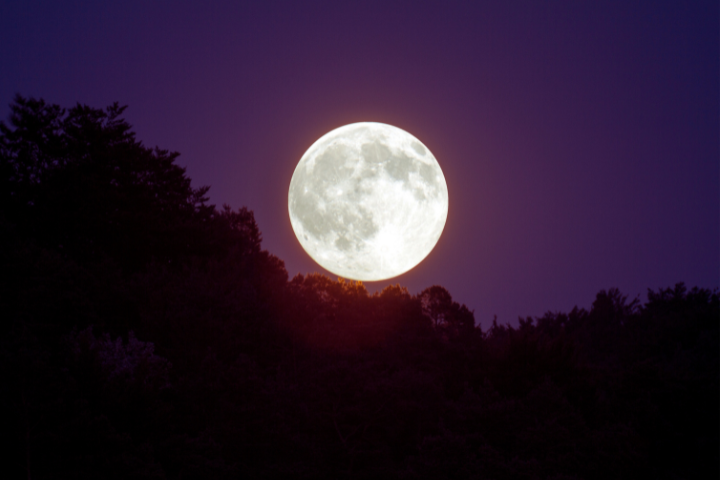
The Strawberry Moon will occur on June 29, 2026 it is the first full moon in June. June’s full moon tracks the lowest path of any full moon throughout the year. The moon will pass opposite the sun in Earth’s sky, appearing fully lit by the sun’s rays. A warm, glowing full moon will rise, marking one of the most beautiful lunar moments of the year. The Strawberry moon appears to be very bright and large and gets its name from the strawberry harvest season, not its color. It often appears golden or reddish near the horizon, creating a stunning view.