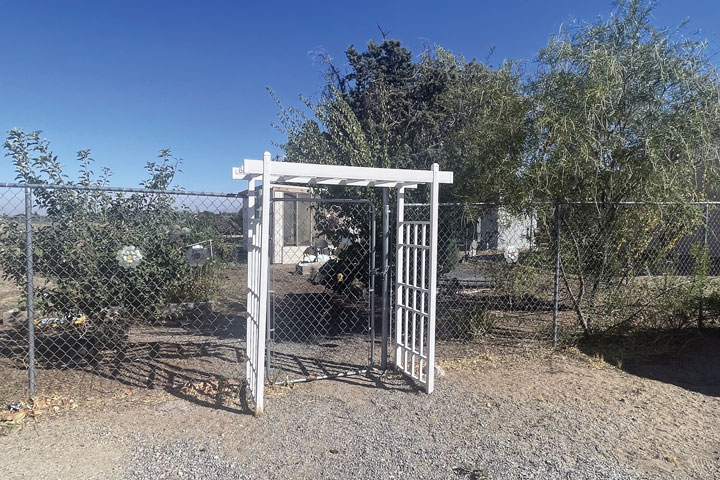
The Community Teaching Garden is a place-based learning facility where students learn to garden from the ground up in a vegetable garden and orchard setting.
The garden’s goal is to offer knowledge and tips while exchanging ideas about nutrition, good ecological practices, and sustainability with the community. Students learn to grow fruits and vegetables at home using the sun and land.
The current lead garden teacher is Michelle Hannon, a Master Gardener and Master Composter who completed garden teacher training at the Occidental Arts and Ecology Center in Northern California.
Starting in January, a class is offered each month that builds on the previous one. However, since each class covers a different topic, they can be taken individually.
January’s class focused on vegetable garden layout. The discussion covered locating the right spot in the yard to maximize sun exposure, using nearby trees for shade or windbreaks, controlling critters, and locating water sources.
February’s class covered propagating seeds and cloning cuttings. The instructor recommended using high-quality seeds, such as those from Botanical Interests, and taking cuttings from healthy plants. Soaking seeds in water for up to 24 hours can speed up germination, and starting seedling soil at a room temperature of 65 to 70 degrees is ideal. For thoseusing an indoor grow light, the light should be positioned 6 inches above the seedling to prevent it from becoming lanky. As the seedlings grow, the lights should be raised to prevent burning or drying out the leaves.
Hardening off seedlings involves gradually acclimating greenhouse or indoor plants to outdoor conditions to avoid overexposure. Start by taking the plants outside to a protected area for a few hours, gradually increasing the time over one to two weeks. This helps seedlings adjust to wind and sunlight, preventing their delicate leaves from getting damaged or sunburned.
When direct sowing spring crops, wait until after the average frost date—typically around late March or early April in this area. The soil temperature should be between 60 and 70 degrees.
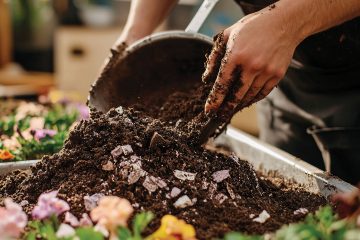
March’s class focused on building raised beds and creating healthy soil. Since the raised bed boxes in the garden are designed for vegetables, they are typically 10 inches deep, with 6 to 8 inches of root space. The beds are 8 feet long and 3 feet wide, allowing for maintenance without stepping inside. It’s best to use untreated lumber.
One cost-effective soil recipe includes 50% clean fill dirt, 30% compost or manure, 15% mulch or other lightweight organic material (such as coco coir, perlite, or peat moss), and 5% mulch on top to retain moisture and reduce weeds. Alternatively, garden soil from local hardware stores can be used.
The classes are designed for beginning gardeners, but individuals with more experience are encouraged to attend, share tips, and even volunteer to teach.
April’s class will cover transplanting, including digging properly sized holes for root space and tips to prevent plant shock. It will also focus on composting techniques, such as vermicomposting, starting a compost pile, and creating a worm bin. In June, the class will address pest control, including organic methods to eliminate harmful insects and techniques for caging plants to protect them from critters.
The July class will focus on using mulch in the garden, covering how much to water and how often. August’s class will address feeding plants, identifying nutrient deficiencies, and finding remedies. In September, the focus will shift to winter vegetable gardening, including hardy crops suited for cooler weather.
October’s class will cover how to harvest various crops and keep them fresh for longer periods. The November class will discuss greenhouse gardening basics, and December’s class will focus on planting and pruning trees.
Classes are held on the second Saturday of each month at 10 a.m. at the Community Teaching Garden, located behind the PPHCSD office building at Phelan Park.
Happy gardening!