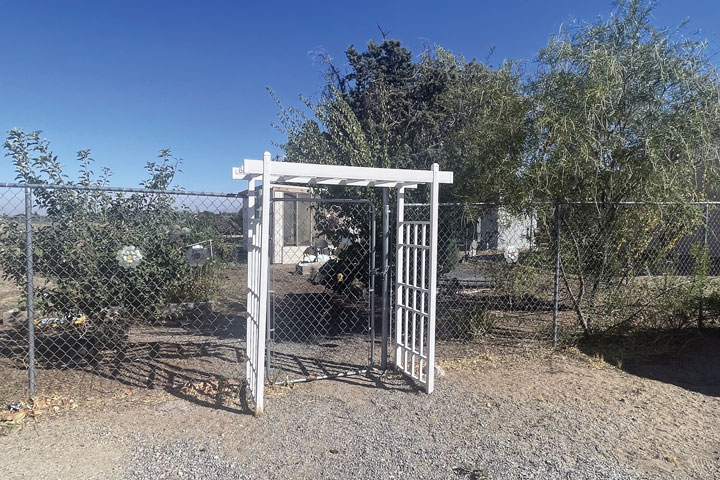
In the shade of the greenhouse behind Phelan Park’s community center, we gathered in June for our free monthly gardening class. Our topic: integrated pest management—how to handle garden pests in ways that support a healthy, sustainable garden.
The Community Teaching Garden is a place to learn from the soil up. It’s part of a collaborative effort between the Phelan-Piñon Hills Community Services District and the Snowline Community Cabinet, supported by a nutrition-focused grant and rooted in community feedback. I’ve had the joy of teaching this class each second Saturday of the month since it began.
At June’s class, we explored how to keep both bugs and small animals from damaging home gardens.
To deter gophers, I recommend using a raised bed with hardware cloth at the bottom before adding your soil. This physical barrier makes it harder for them to tunnel through. Rabbits and squirrels can be kept at bay by using PVC pipe to create an overhead frame, then stretching chicken wire to make a protective cage around the bed.
When it comes to insects, common pests include aphids and tomato hornworms. I showed attendees how to inspect leaves, especially the undersides, for signs of pests. Hornworms, for instance, can be handpicked and removed. For smaller bugs or eggs, rinsing the plant with water just before sundown (to prevent leaf burn) is an effective method. Start at the top and work your way down, making sure to get under the leaves.
Introducing beneficial insects is another helpful strategy. Ladybugs feed on aphids, while praying mantises are excellent for controlling larger pests like hornworms. Just remember: nature usually balances itself when you create a welcoming habitat.
For major infestations, I recommend neem oil as an organic spray. It’s effective against both pests and issues like powdery mildew. Always apply it before sundown to protect leaves, and spray from top to bottom.
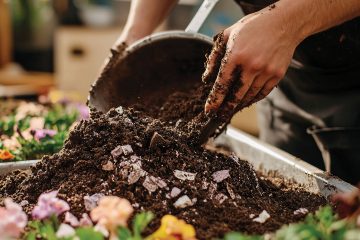
We also talked about mulch—a three-inch layer can suppress weeds and retain moisture, both important in our desert climate.
Our next class in July will focus on how much to water trees, shrubs, and garden beds—and how mulch can help you conserve water.
Hope to see you in the garden!