
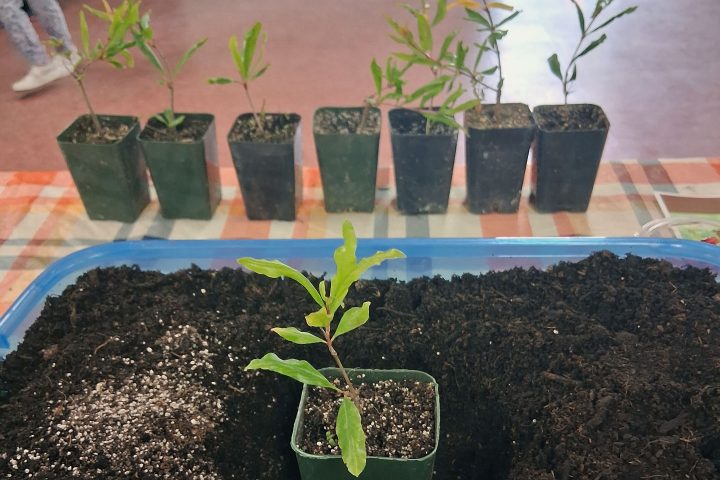
As winter lingers and outdoor gardening is on hold, many gardeners are eager to get a jump on the growing season by starting seeds indoors. February is the perfect time to begin prepping for spring, and with the right supplies, you can nurture healthy seedlings that will thrive once transplanted outside.
First, gather seed trays or small pots, which are ideal for sowing seeds and supporting them as they grow. Use a seed-starting mix—a lightweight, sterile medium designed to promote strong germination and root development. Choose from a wide selection of seeds for early starts. In addition to popular choices like tomatoes, peppers, and broccoli, gardeners can try cabbage, cauliflower, kale, eggplant, lettuce, chard, collards, celery, onions, leeks, and various herbs such as basil, parsley, and cilantro. These vegetables and herbs will benefit from an early start indoors and thrive in this area’s gardens.
Organization is key, so keep labels and a waterproof marker handy to track each variety and planting date. To create a greenhouse effect and retain moisture, cover your trays with a humidity dome or plastic wrap. Since winter days offer limited sunlight, try positioning your seedlings under a grow light, or on a sunny windowsill to ensure they get the light they need.
Watering tender seeds requires care, so use a spray bottle or a gentle watering can to moisten the soil without washing them away. For gardeners looking to boost germination, a heat mat is an optional tool that gently warms the soil for faster, more consistent sprouting. Once your seedlings develop their first true leaves, introduce a diluted, balanced liquid fertilizer to support robust growth.
With these essential supplies and a variety of vegetable and herb seeds, gardeners can enjoy the satisfaction of watching their seedlings grow indoors, laying the groundwork for a productive and early garden come spring.