
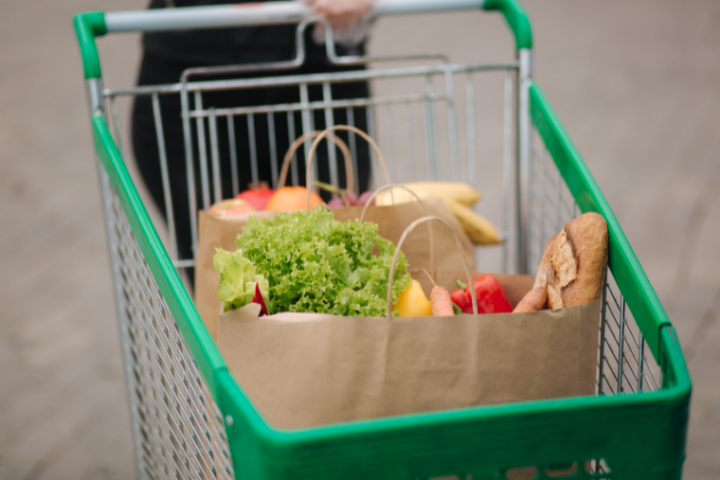
Recently, throughout the community, you may have seen plastic bags disappearing from your local stores. This is due to California’s Senate Bill 1053, which was passed and signed into law by the governor on September 22, 2024. This bill will ban the use of single-use plastic bags starting Jan. 1, 2026. According to CalRecycle, the bill will ban single-use plastic bags in most grocery stores, retail stores with a pharmacy, convenience stores, liquor stores, and food marts. The bill will also require stores to charge at least 10 cents for each compliant bag.
The new reusable paper bags will have to meet the following requirements: They must be made with a minimum of 40% post-consumer recycled material, must be certified recyclable in the state by third-party certification, and must be at least 2.25 mils thick. Stores will also be allowed to keep the funds and will be required to use the funds to cover the cost of providing compliant bags and/or funding educational campaigns to inform the public.
Any business that doesn’t comply with SB 1053 may receive the following penalties: first violation, a $1,000 fine per day; second violation, a $2,000 fine per day; third and subsequent violations, a $5,000 fine per day. While this bill is soon to be in effect, you may have seen some of our local stores already put it into practice. Some stores, such as Walmart and Stater Bros., have already begun to transition from single-use plastic bags to reusable paper bags.
This bill is expected to reduce the amount of litter from plastic bags and decrease the amount of trash that ends up in landfills. It is also expected to reduce plastic pollution and protect wildlife. The purpose of Senate Bill 1053 is to promote the use of reusable bags in California while decreasing the carbon footprint.
During this transition from plastic bags to reusable paper bags, most grocery stores, retail stores with a pharmacy, convenience stores, liquor stores and food marts will have to make some changes. These changes will include a cost increase to provide reusable paper bags instead of the usual reusable plastic bags and updated staff training on the bagging process. Although some stores and businesses may have challenges ahead, there are some exceptions to this bill.
The exceptions include prescription bags; bags for protection (bags without handles that are used to protect items from damage or contamination); bags for unwrapped food (bags used for items like produce or bulk foods); and dry cleaning bags (bags without handles used for clothing on a hanger). Also, customers who are paying with EBT or WIC cards or vouchers cannot be charged for a bag fee.
Starting Jan. 1, 2026, single-use plastic bags will no longer be available for purchase. There has been a year to prepare for these changes, and in the coming weeks, you will no longer see single-use plastic bags in stores, only reusable paper bags.